
Bank of England
The
old lady
The Bank of England is the UK’s central bank, and the model on which most modern central banks are based. Established in 1694 as the Government’s banker and debt manager, it’s the world’s second-oldest central bank, with a mission to promote the good of the people of the UK by maintaining monetary and financial stability.
Challenges:
→ Refresh the brand identity for a digital-first world
→ Update the visual identity to be accessible and relevant
→ Rebuild the website UI to WCAG (AA) accessibility standards
→ Develop launch campaigns for the £50 and £20 banknotes
My role:
→ Art direction
→ Creative direction
→ Design direction
Brand refresh

Symbol:
We wanted Britannia to better reflect the Bank’s mission and values, so we asked Chris Mitchell at Epic Icons to make the symbol more welcoming and inclusive, and to improve its legibility at small sizes. The ostentatious pile of coins was removed (the Bank doesn’t issue coins), and the shield was redesigned to incorporate the Union Flag.
Logotype:
The simplified logotype reflects the Bank’s mission to be more approachable, plain-speaking and humble. We dropped the previous use of all capitals in favour of upper and lowercase letters, and asked Monotype to adapt an existing font to be more accessible and dyslexia-friendly, in line with guidance from the RNIB and the British Dyslexia Association.
Colour:
The palette has been designed to be more vibrant and relevant, drawing inspiration from the £5, £10, £20 and £50 banknotes, gold bars, and the Bank of England building. Beyond looking distinctive and memorable, each colour has been selected for high accessibility, ensuring the minimum AA rating for the Web Content Accessibility Guidelines is achieved.
Photography:
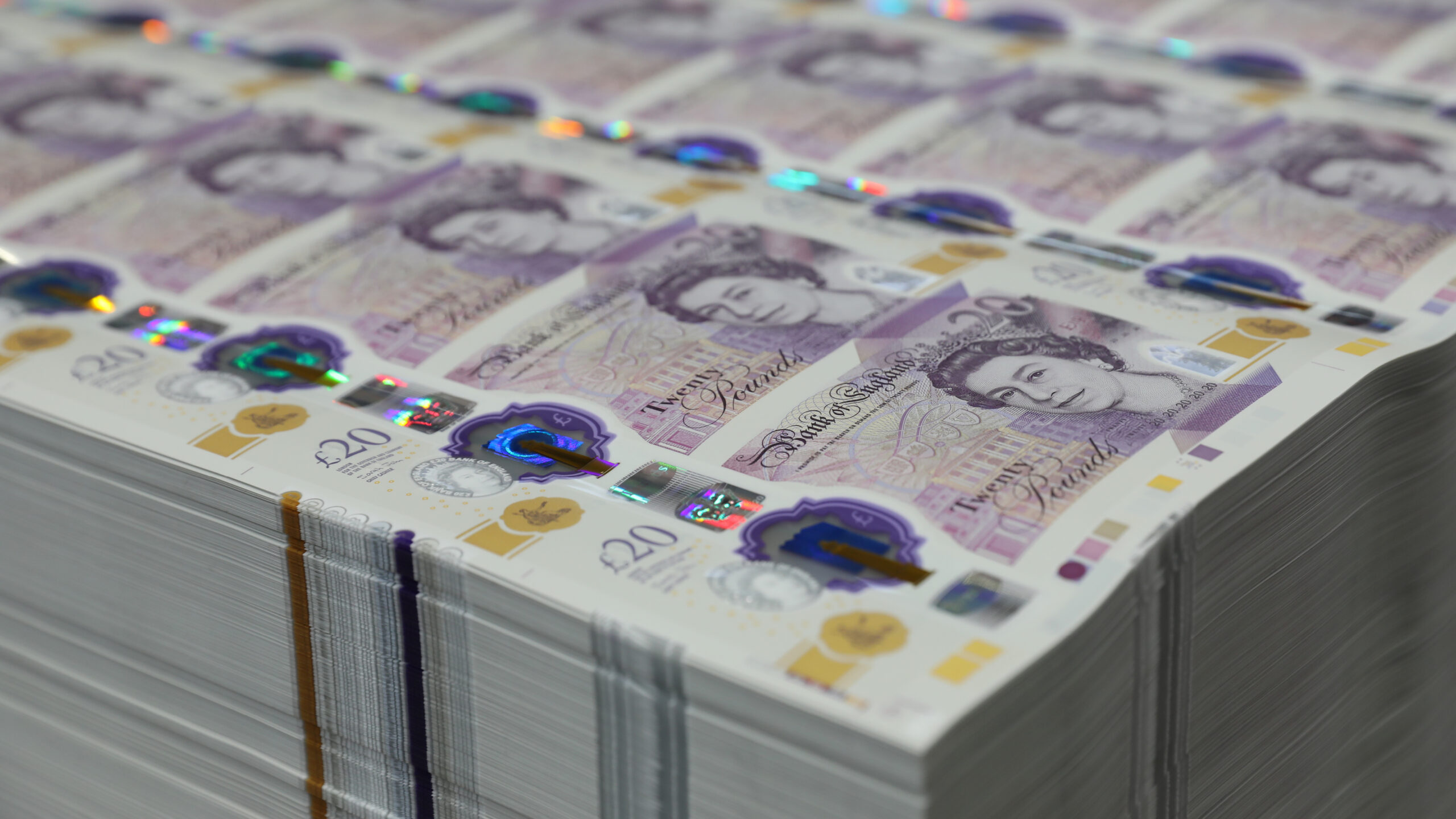
We asked photographer Lee Funnell to apply her mantra — make the ubiquitous interesting and the ordinary beautiful — to the £5, £10, £20 and £50 banknotes.



£50 launch campaign
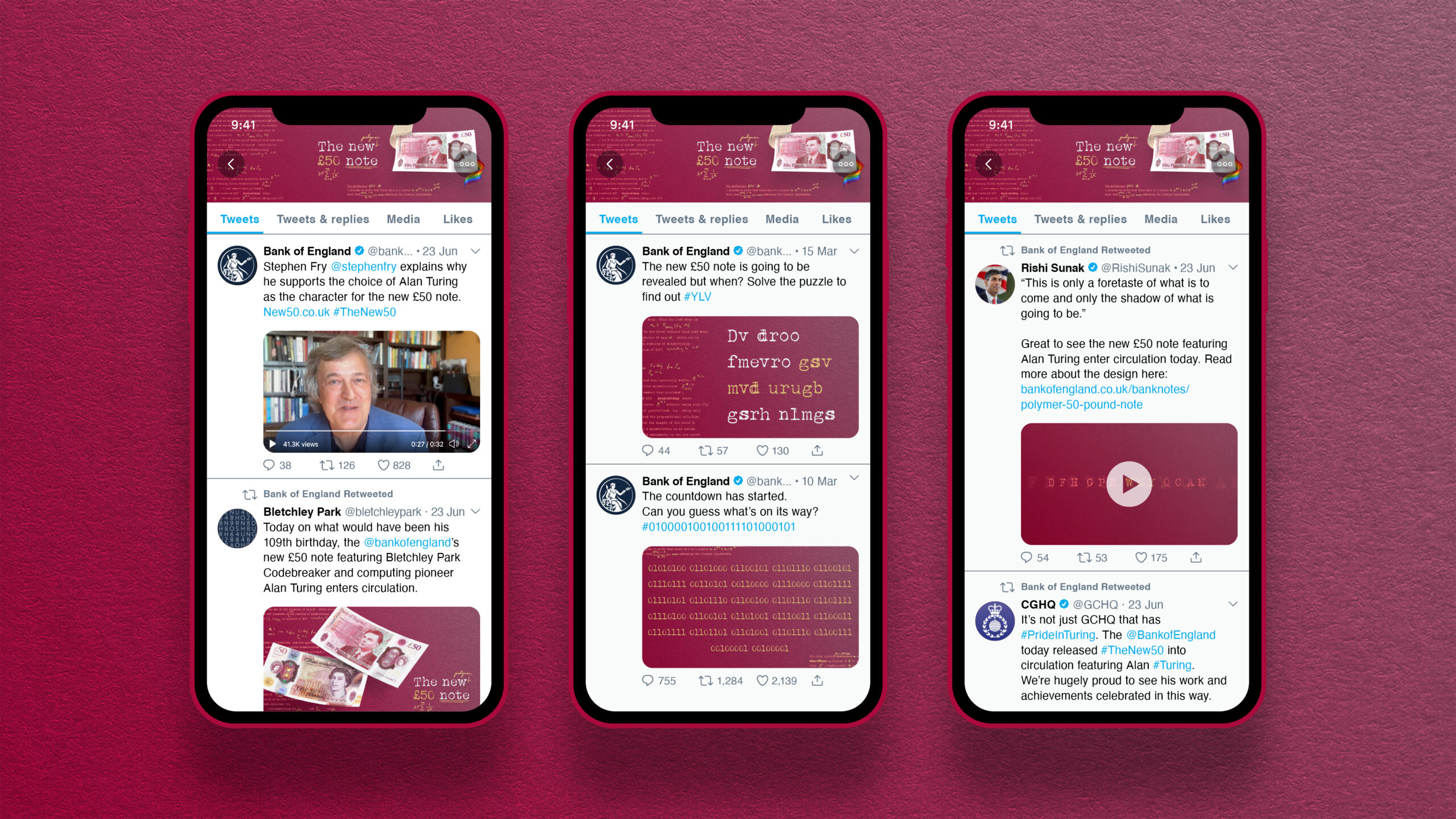
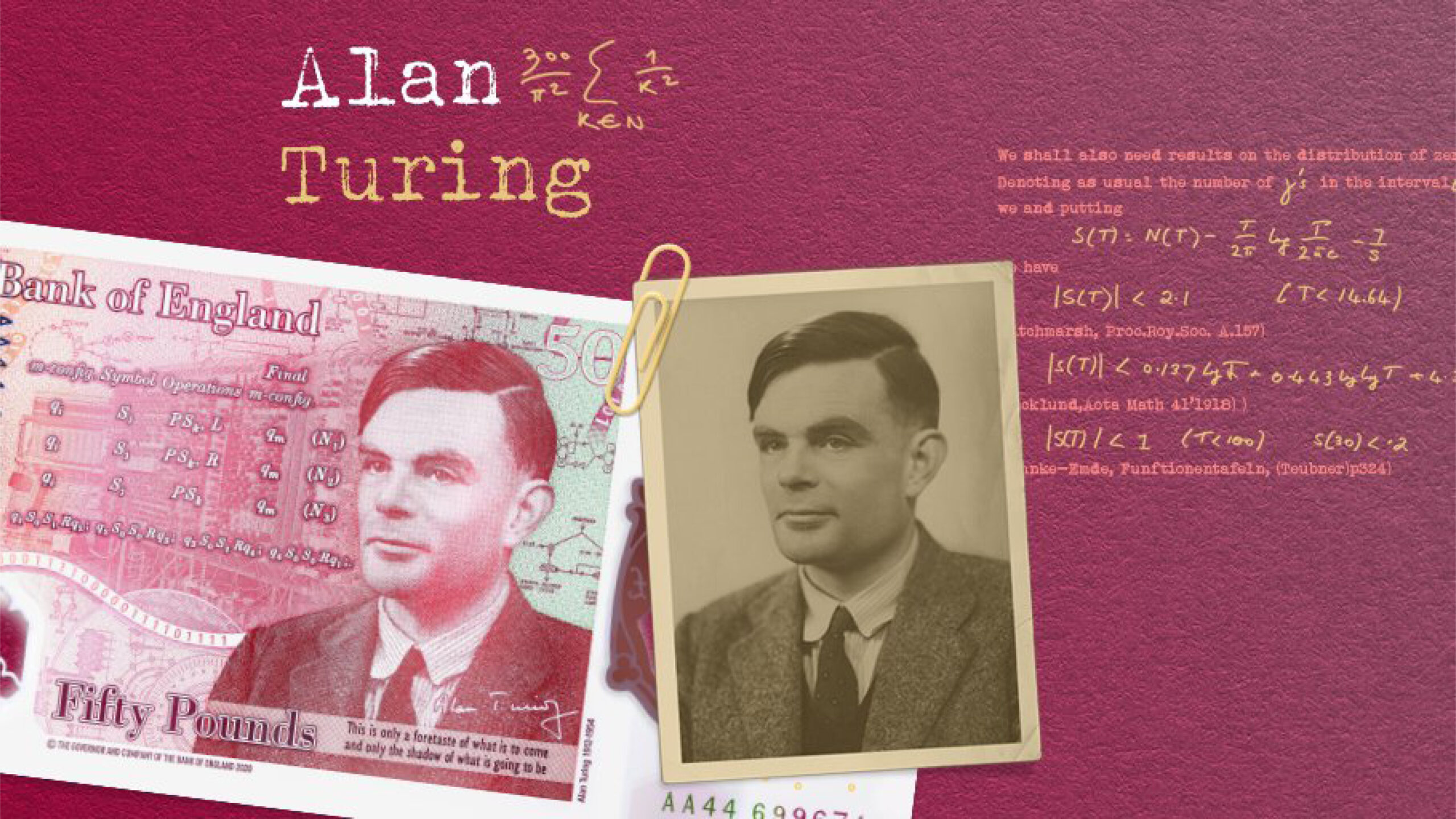
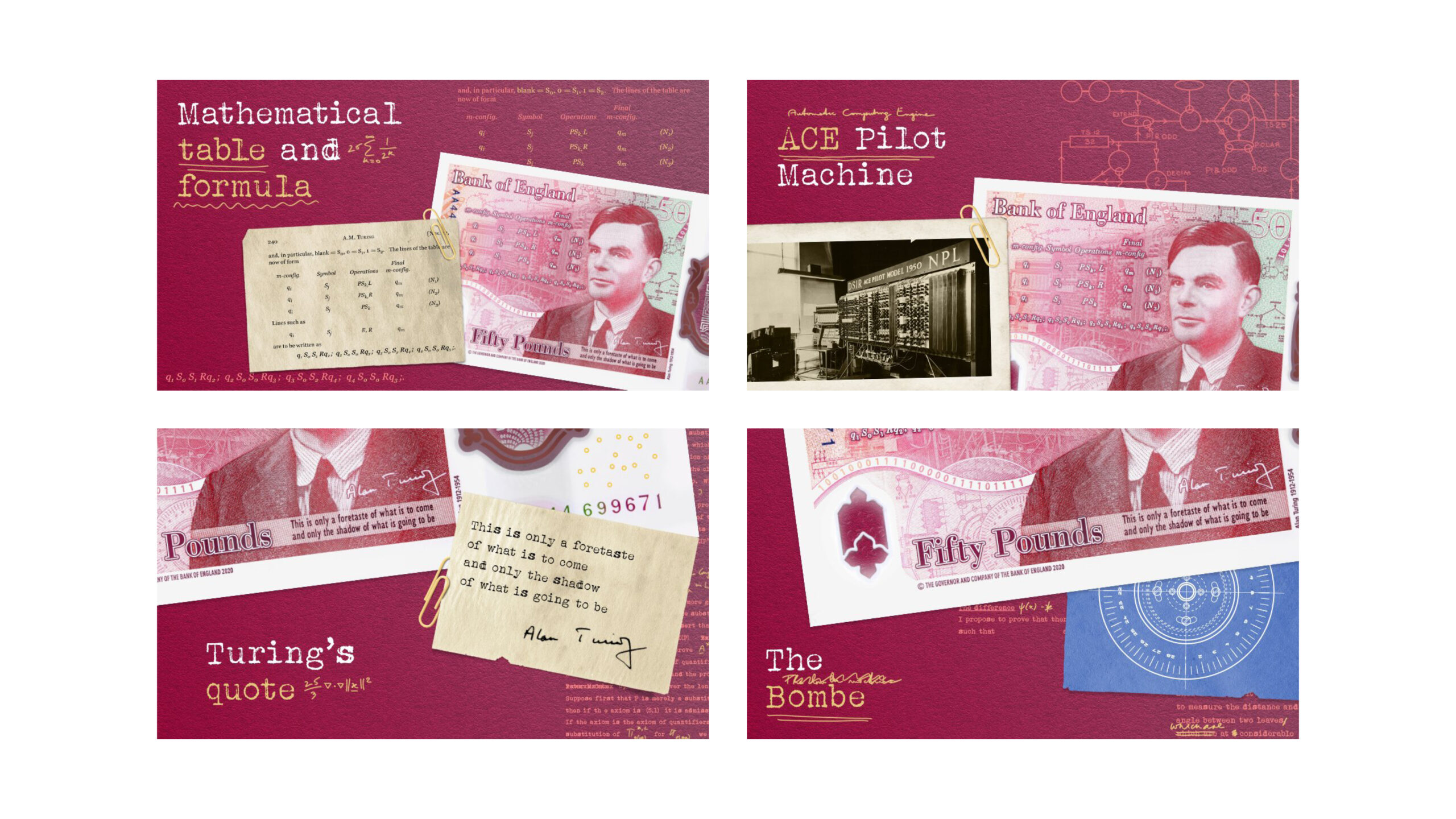
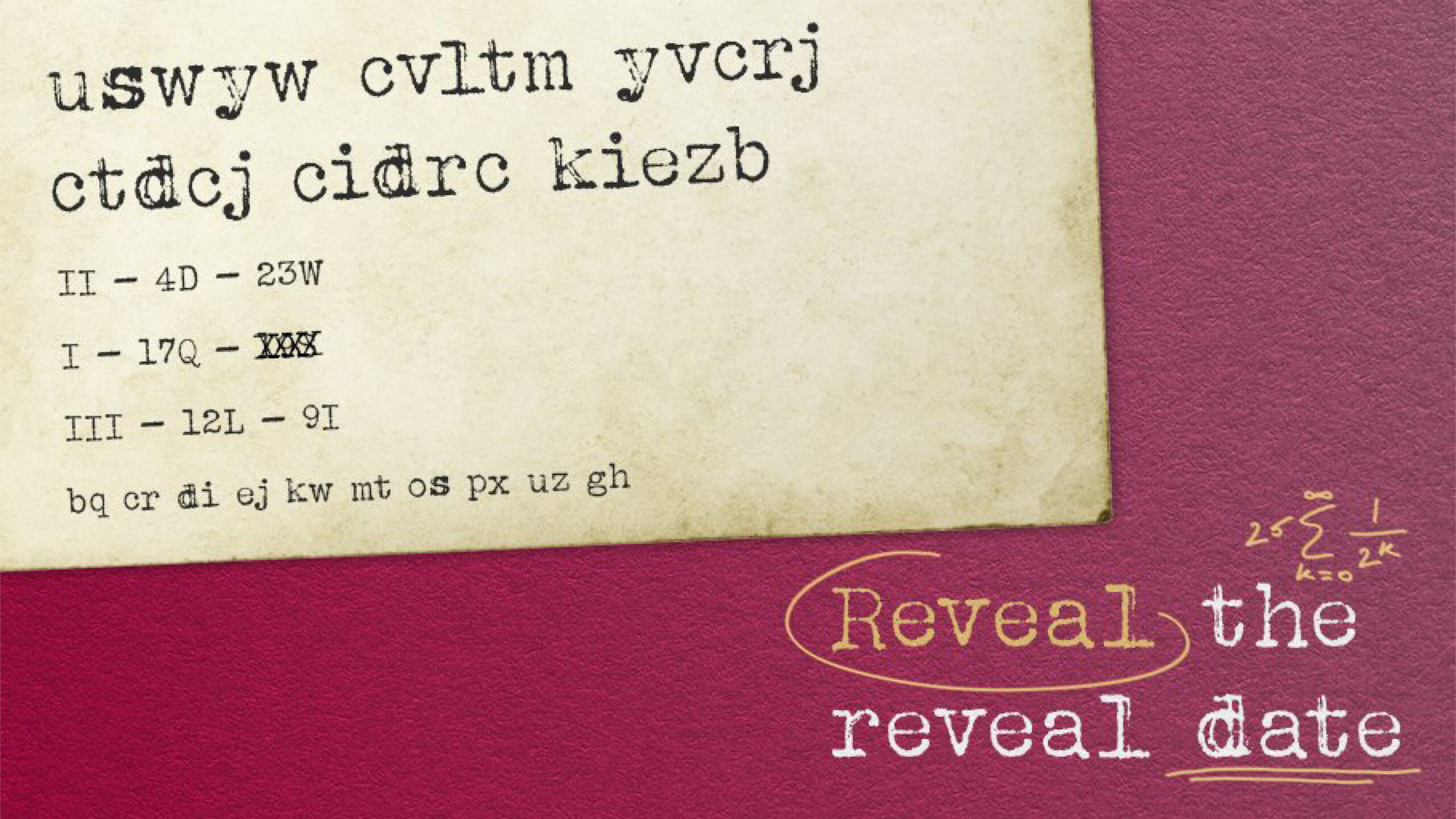
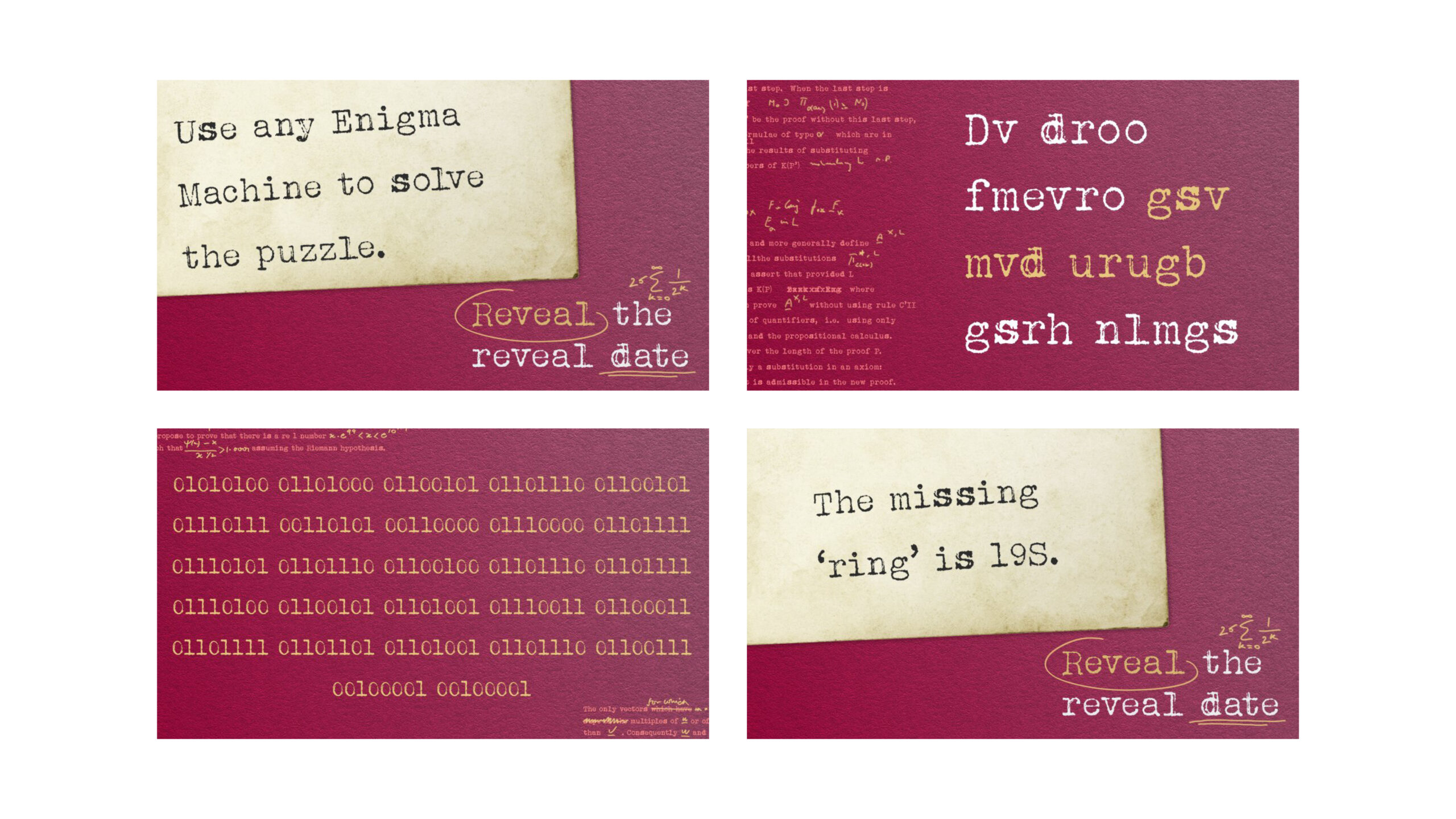
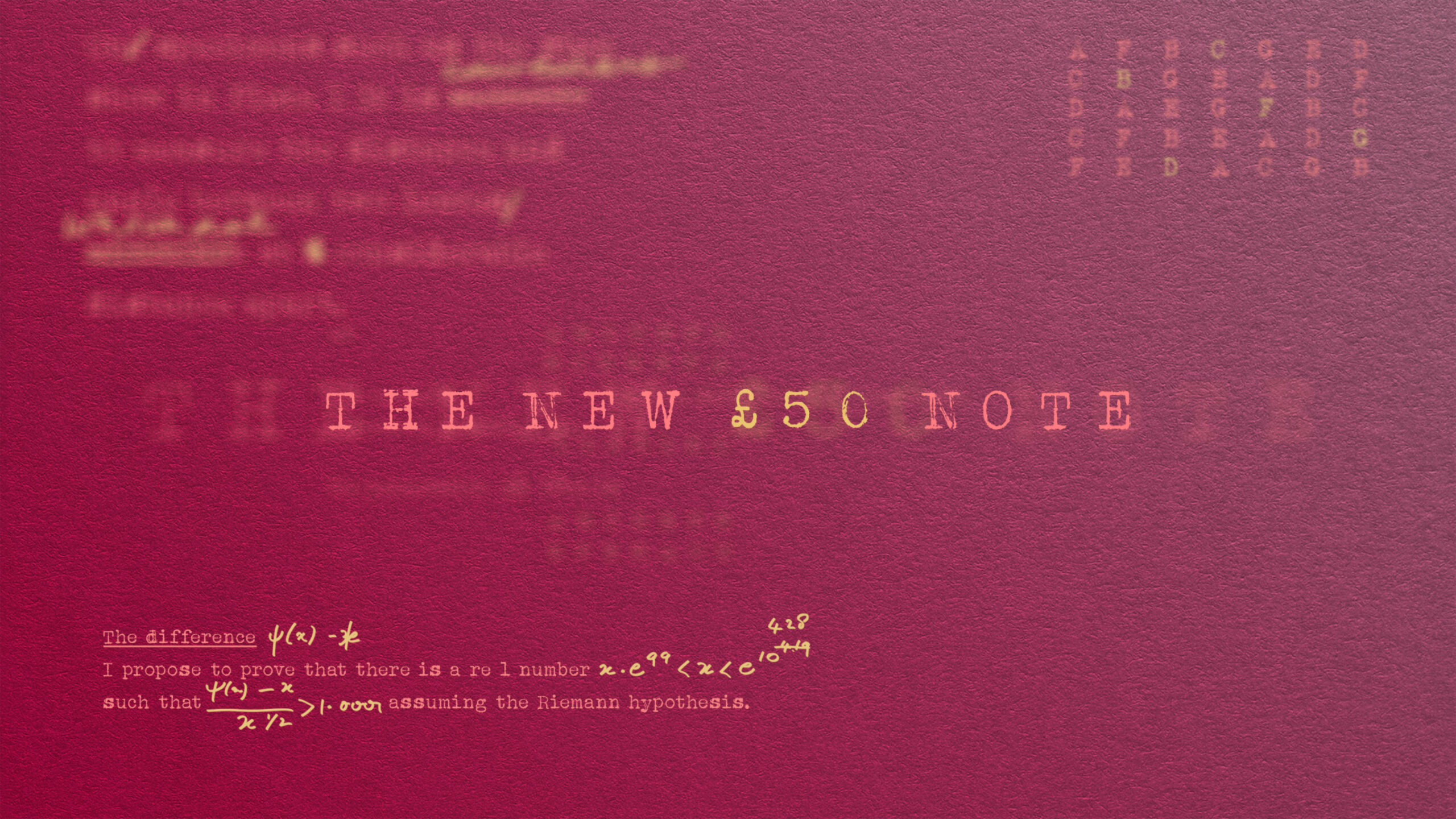
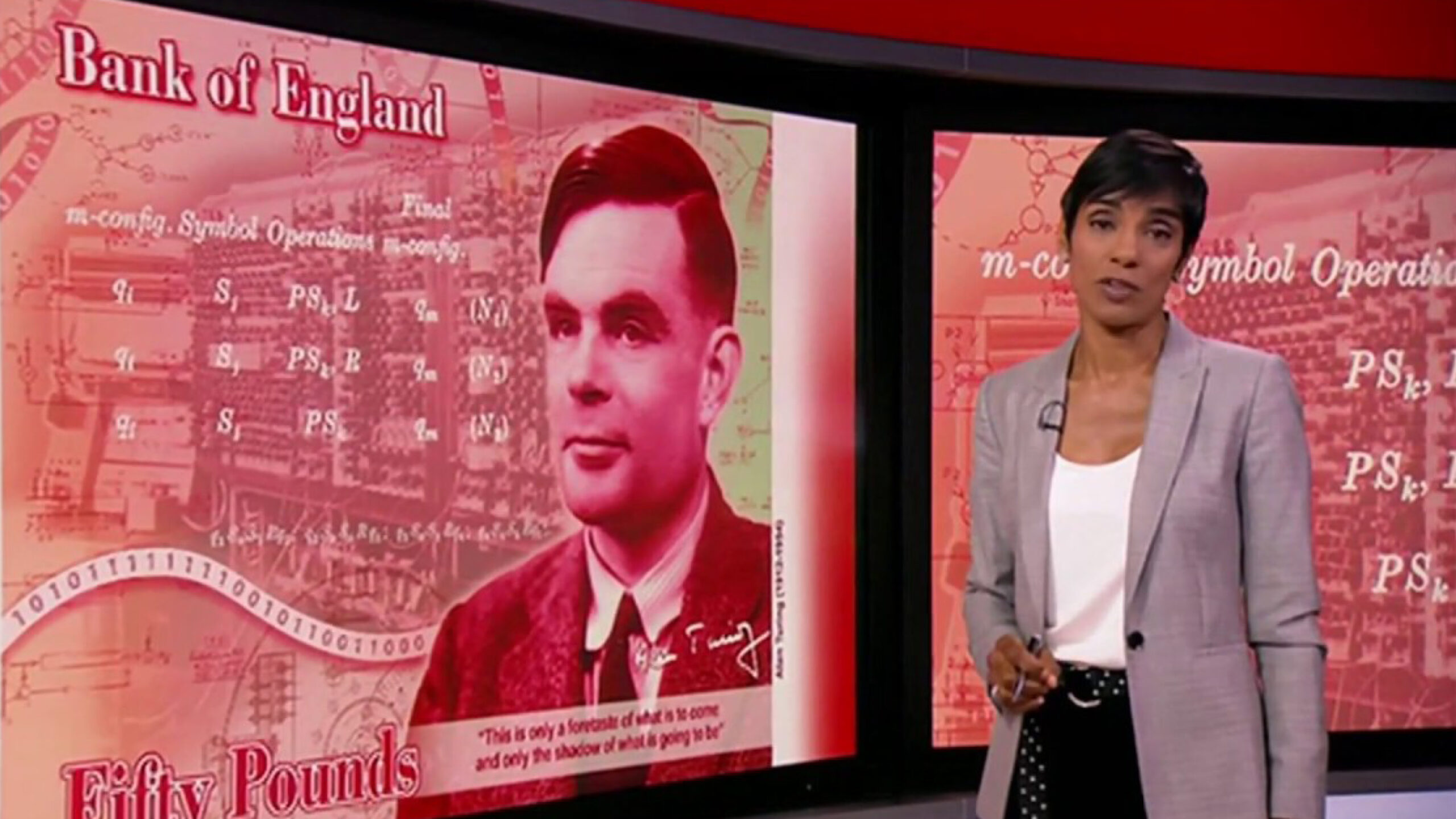
Background:
People have featured on the reverse of Bank of England banknotes since William Shakespeare first appeared on the £20 note in 1970, allowing the Bank to celebrate individuals who have made an important contribution to UK society and culture through their innovation, leadership or values.
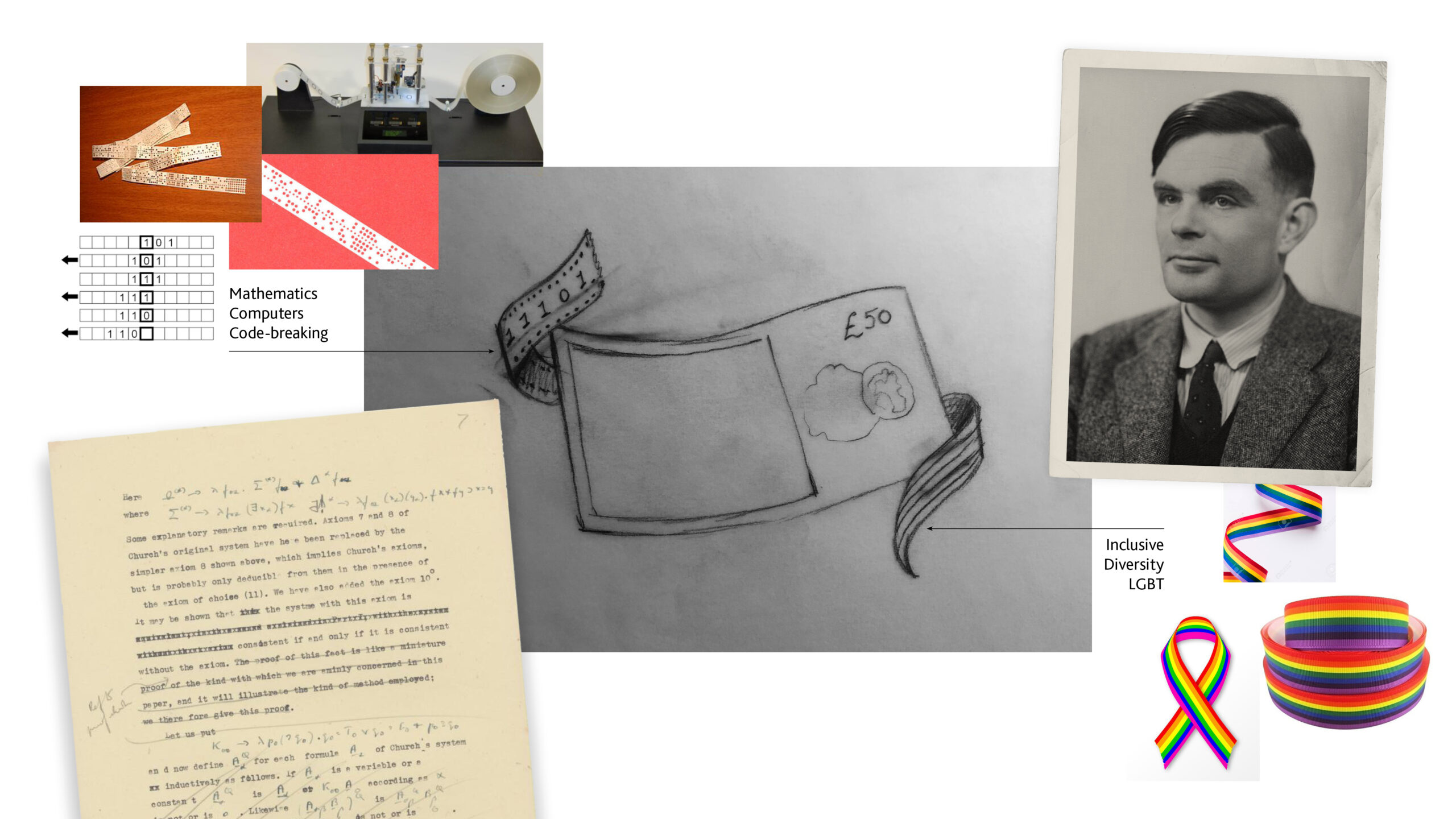
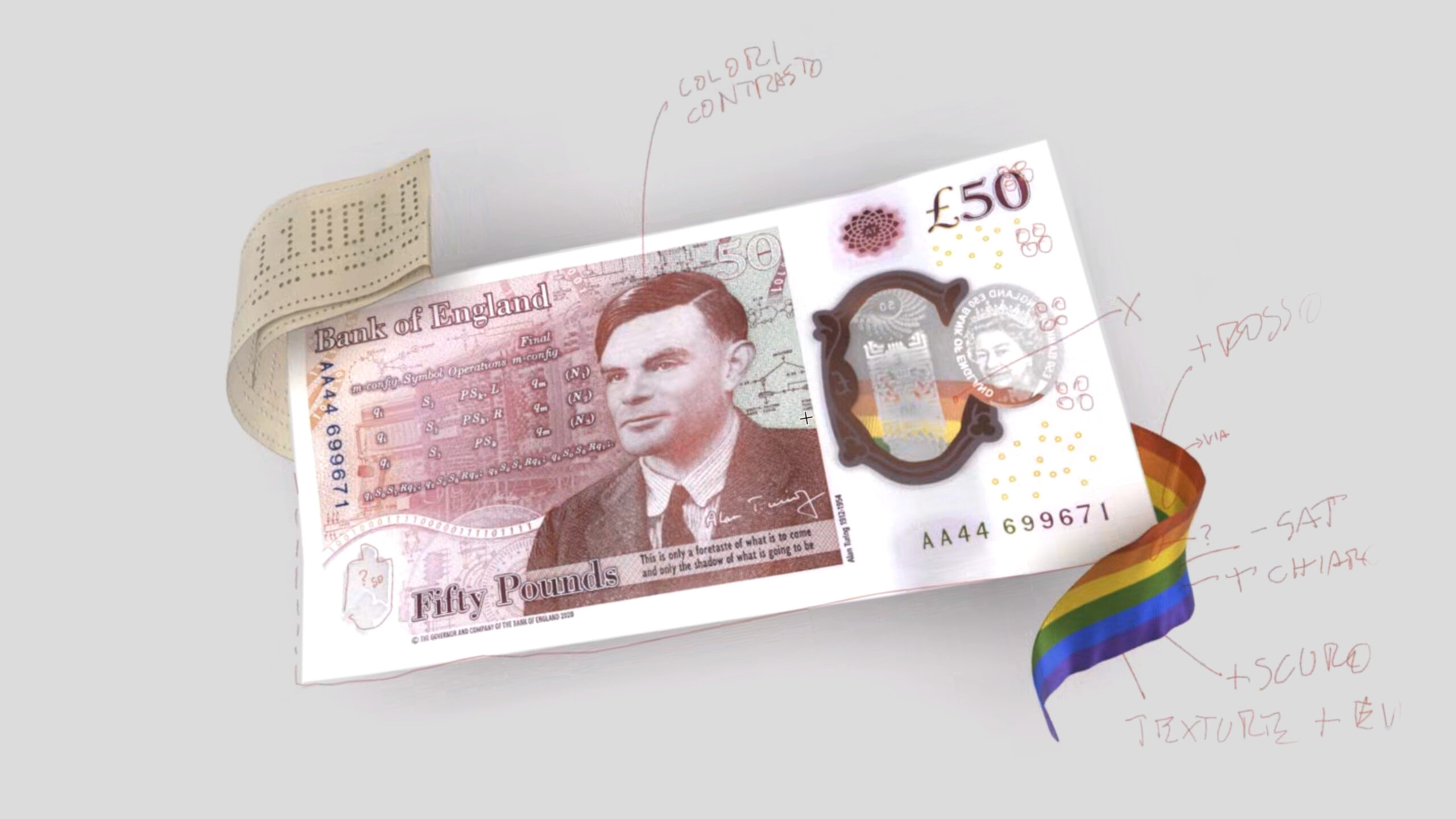
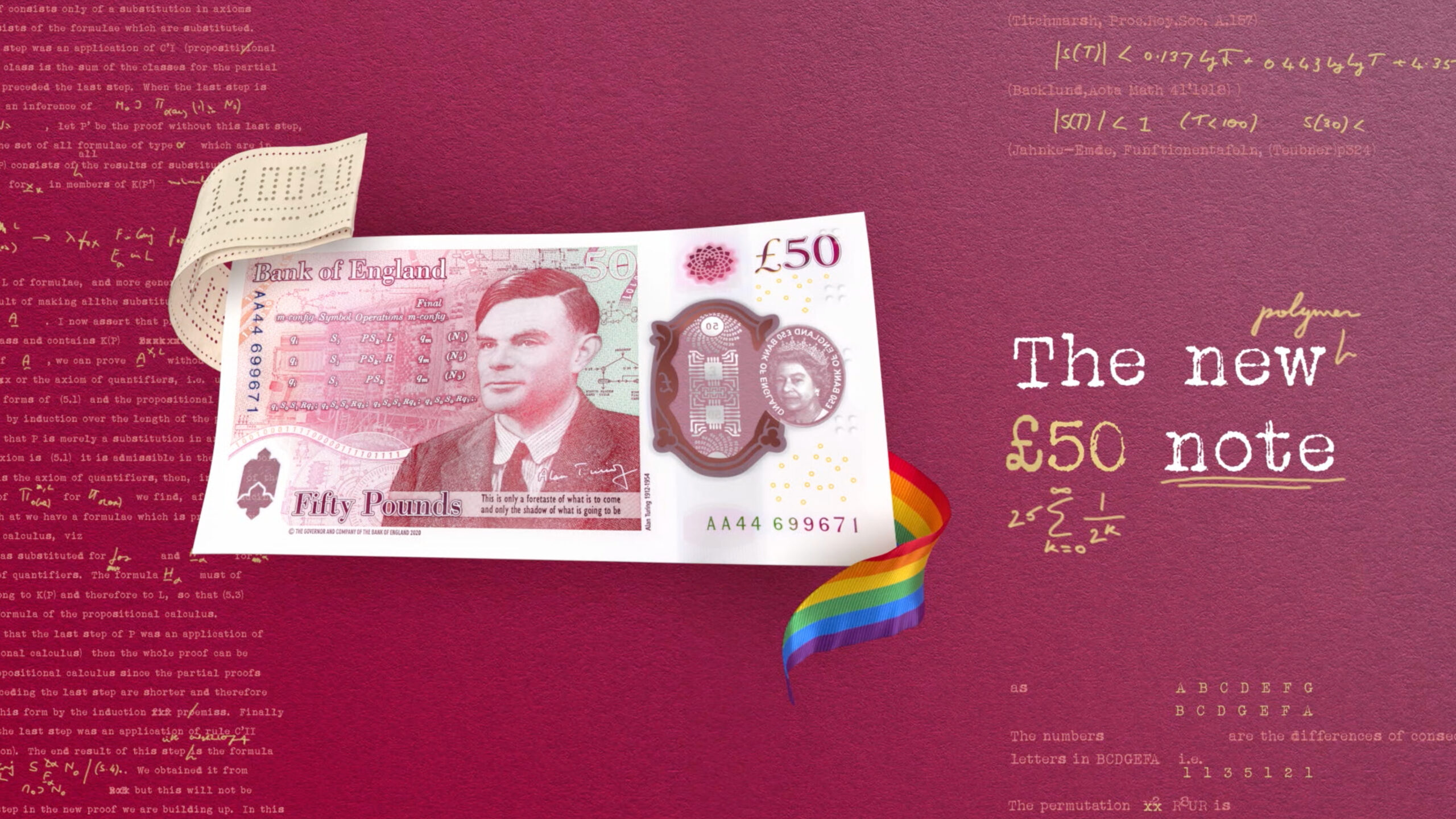
The £50 note features code-breaker and computer science pioneer Alan Turing. It entered circulation on 23 June 2021 (Turing’s birthday) completing the Bank’s transition from paper to polymer banknotes. Shown here is an overview of the visual identity and launch assets, which conveyed the creative theme of ‘Turing’s mind at work’.
£20 launch campaign
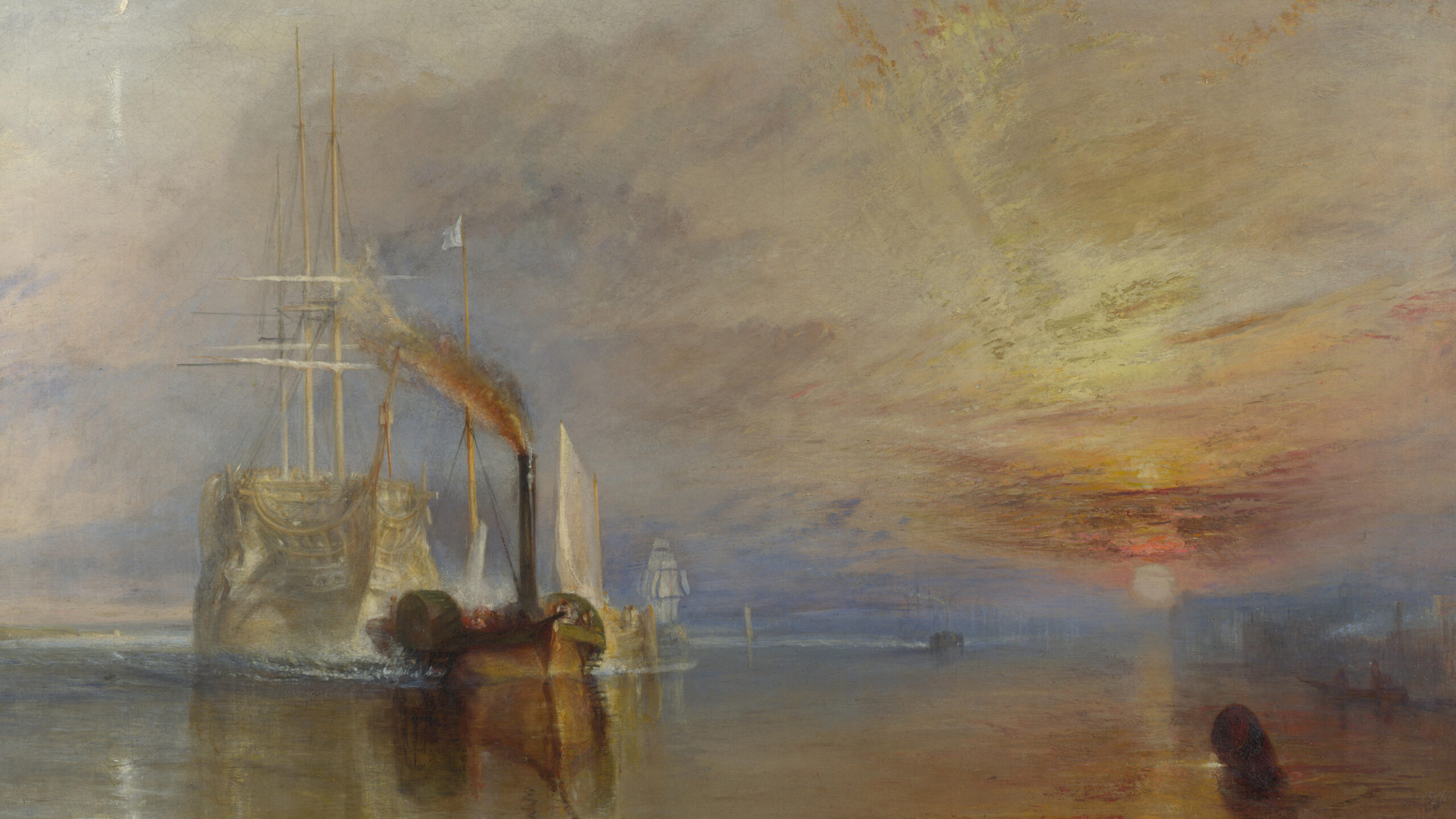

Background:
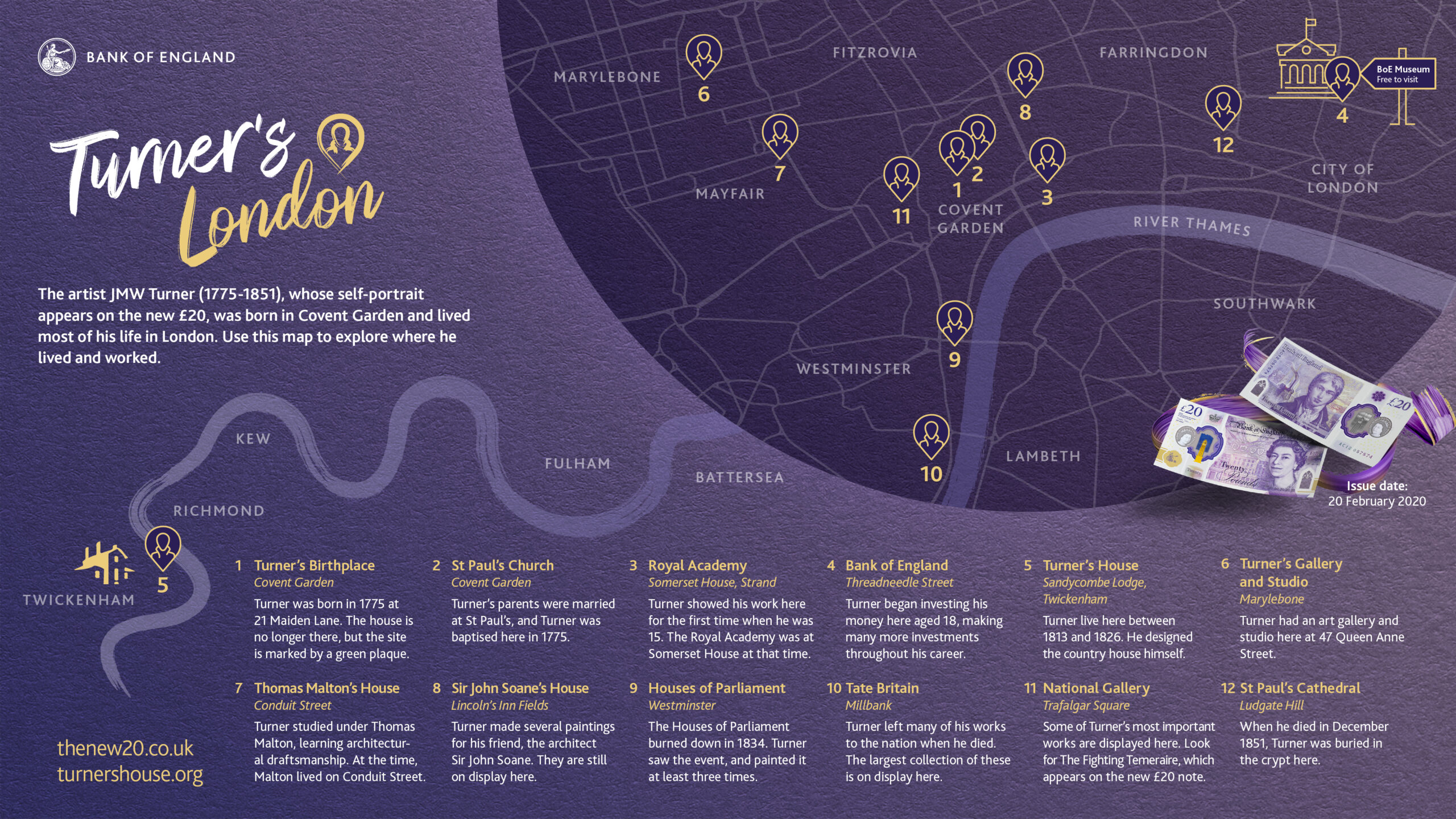
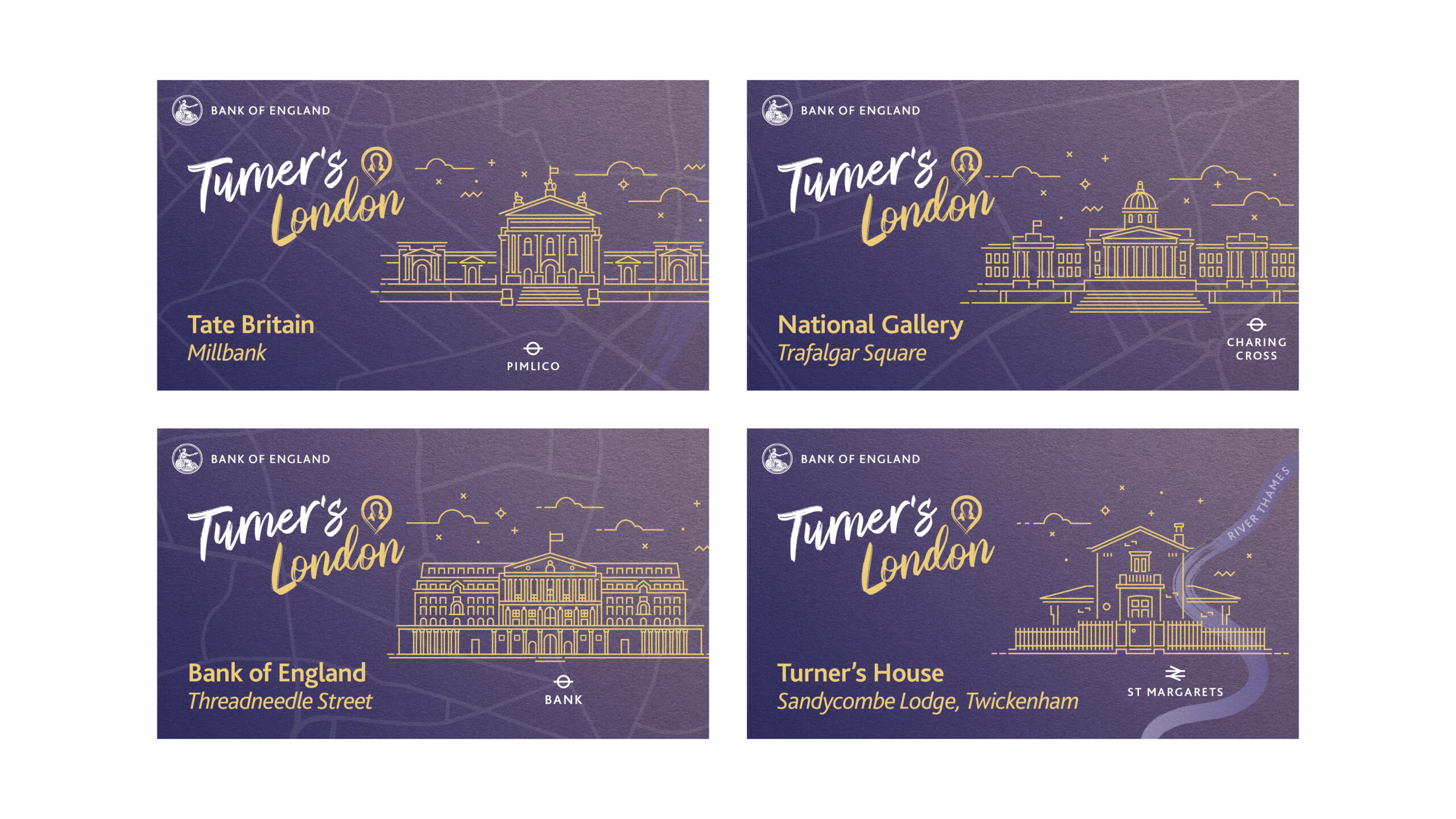
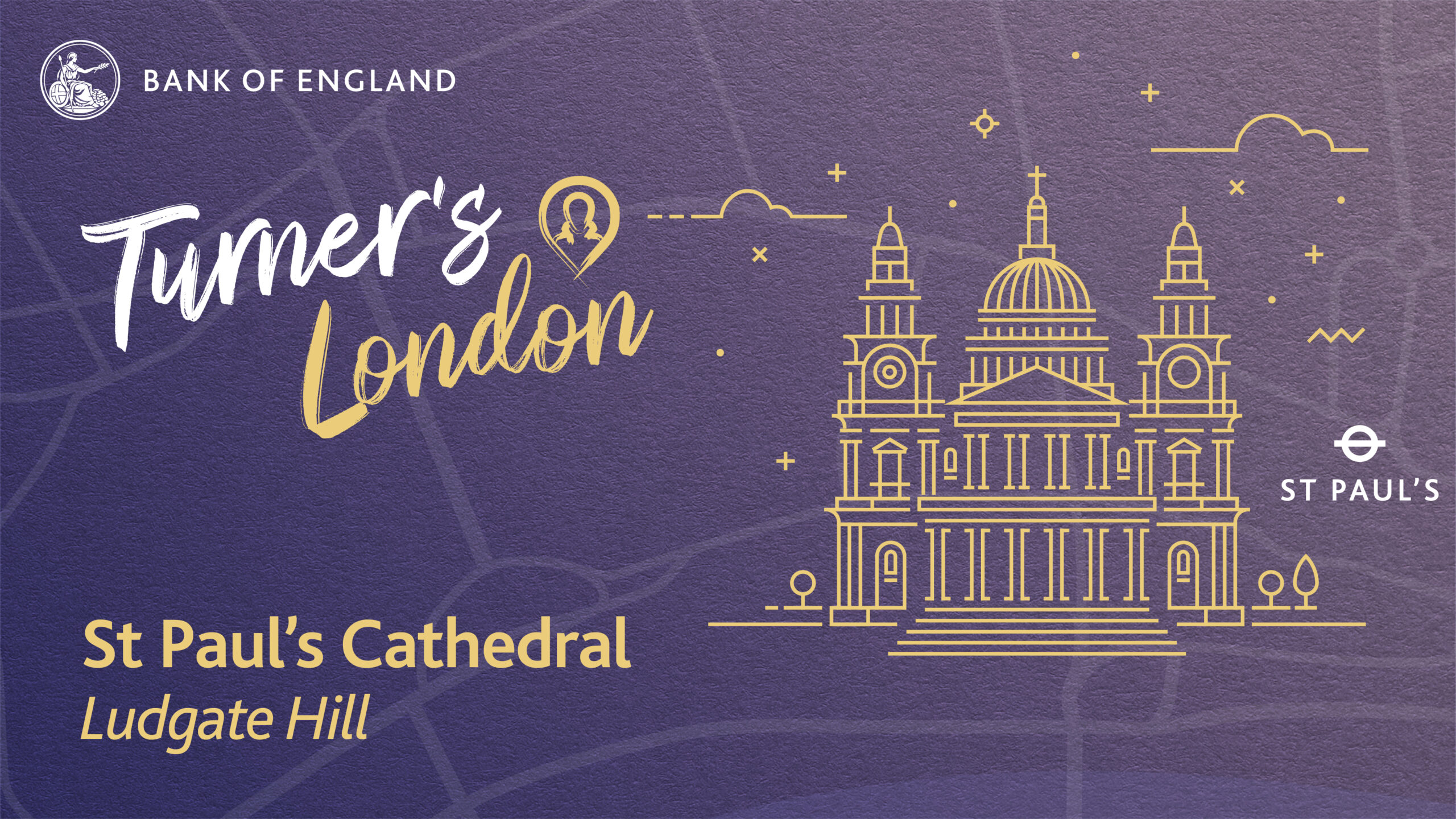
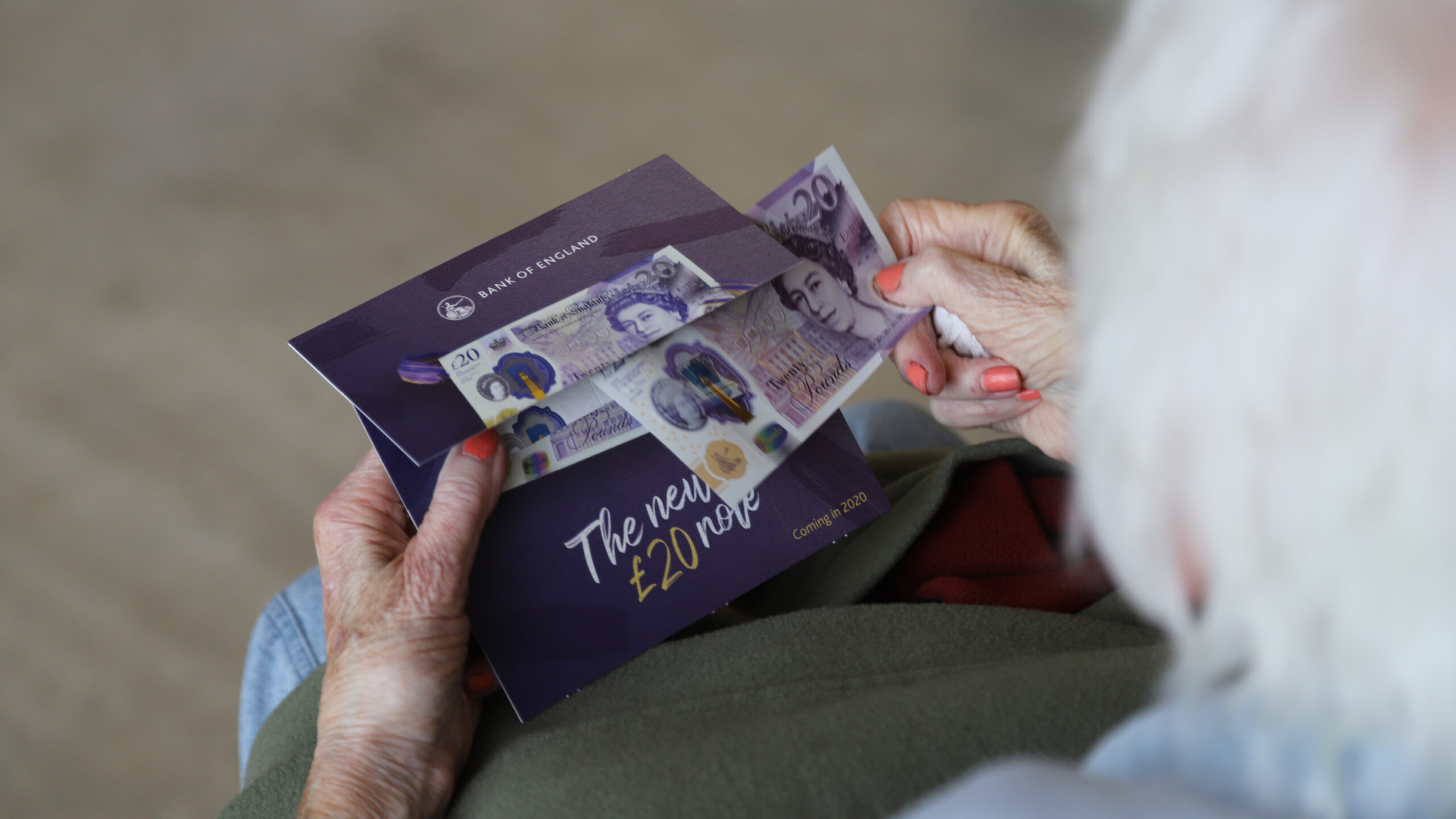
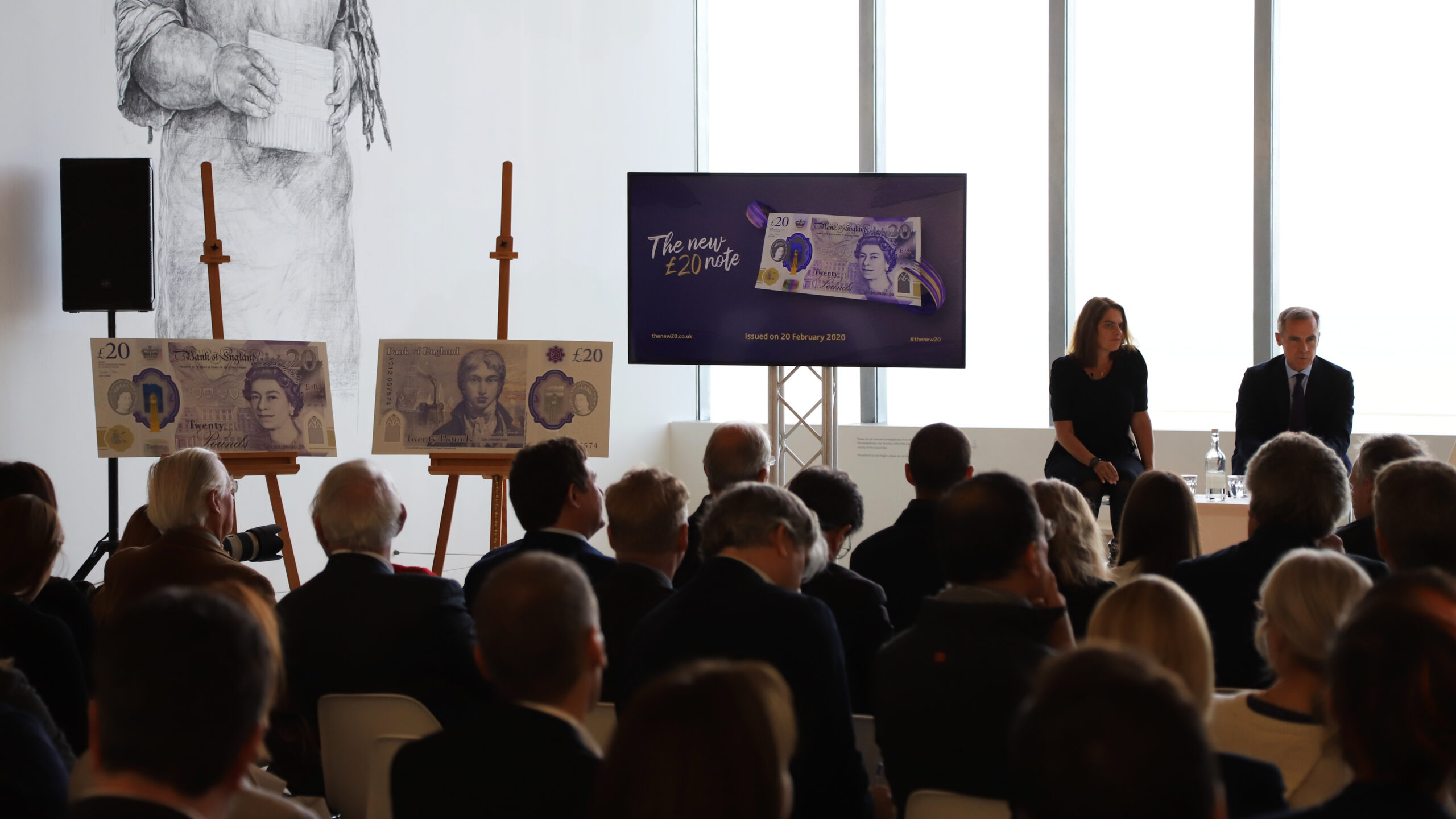
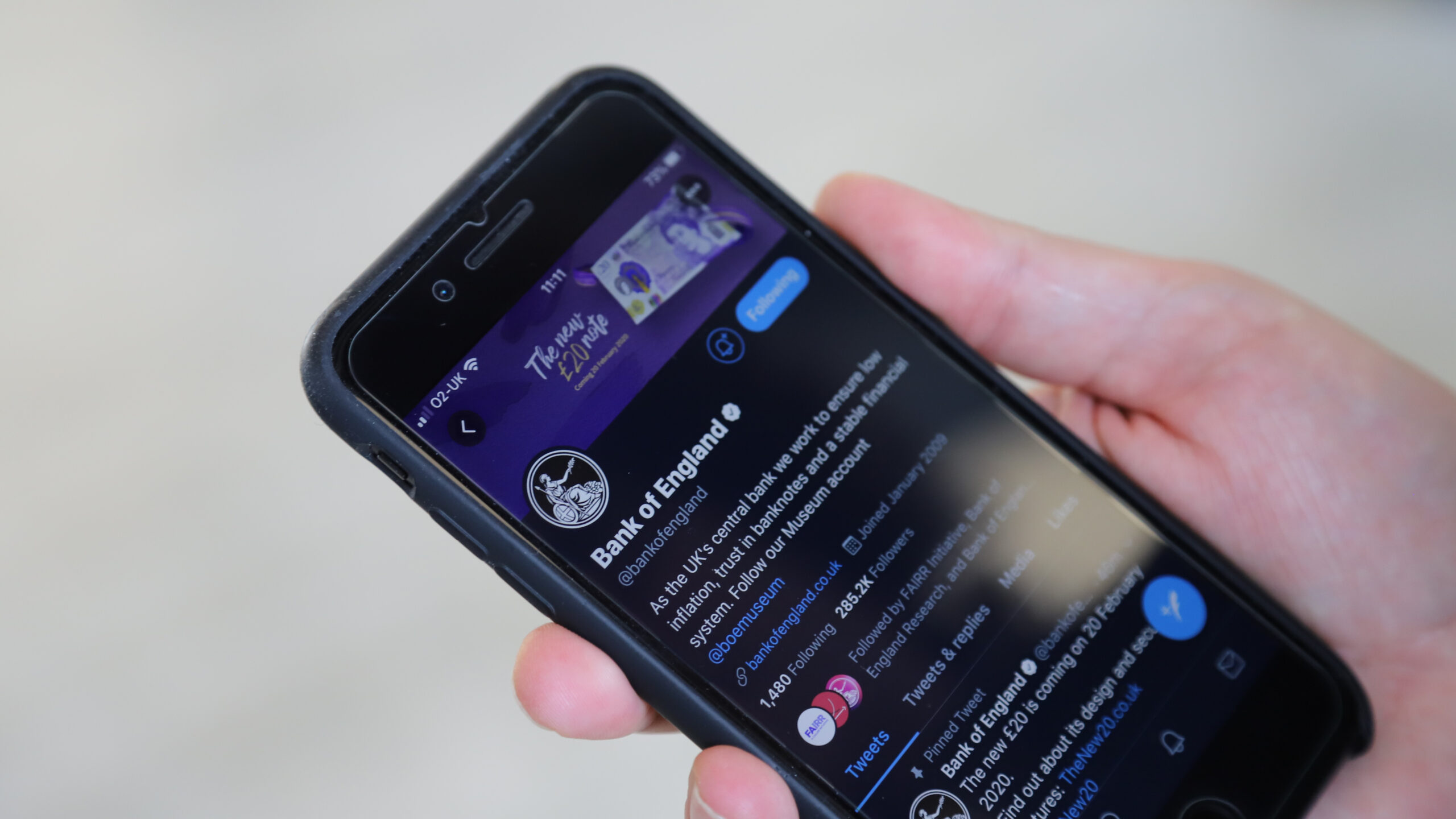
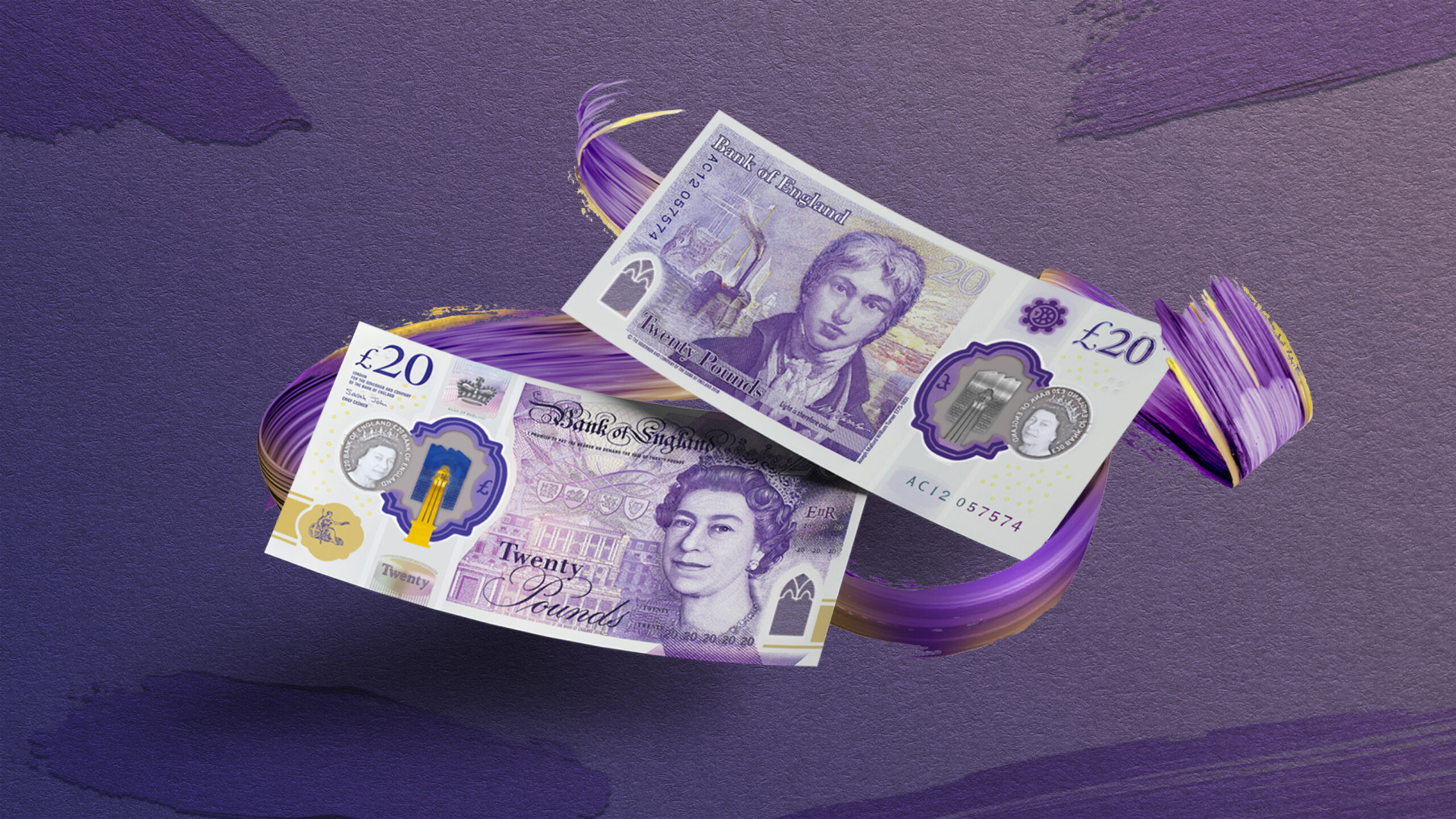
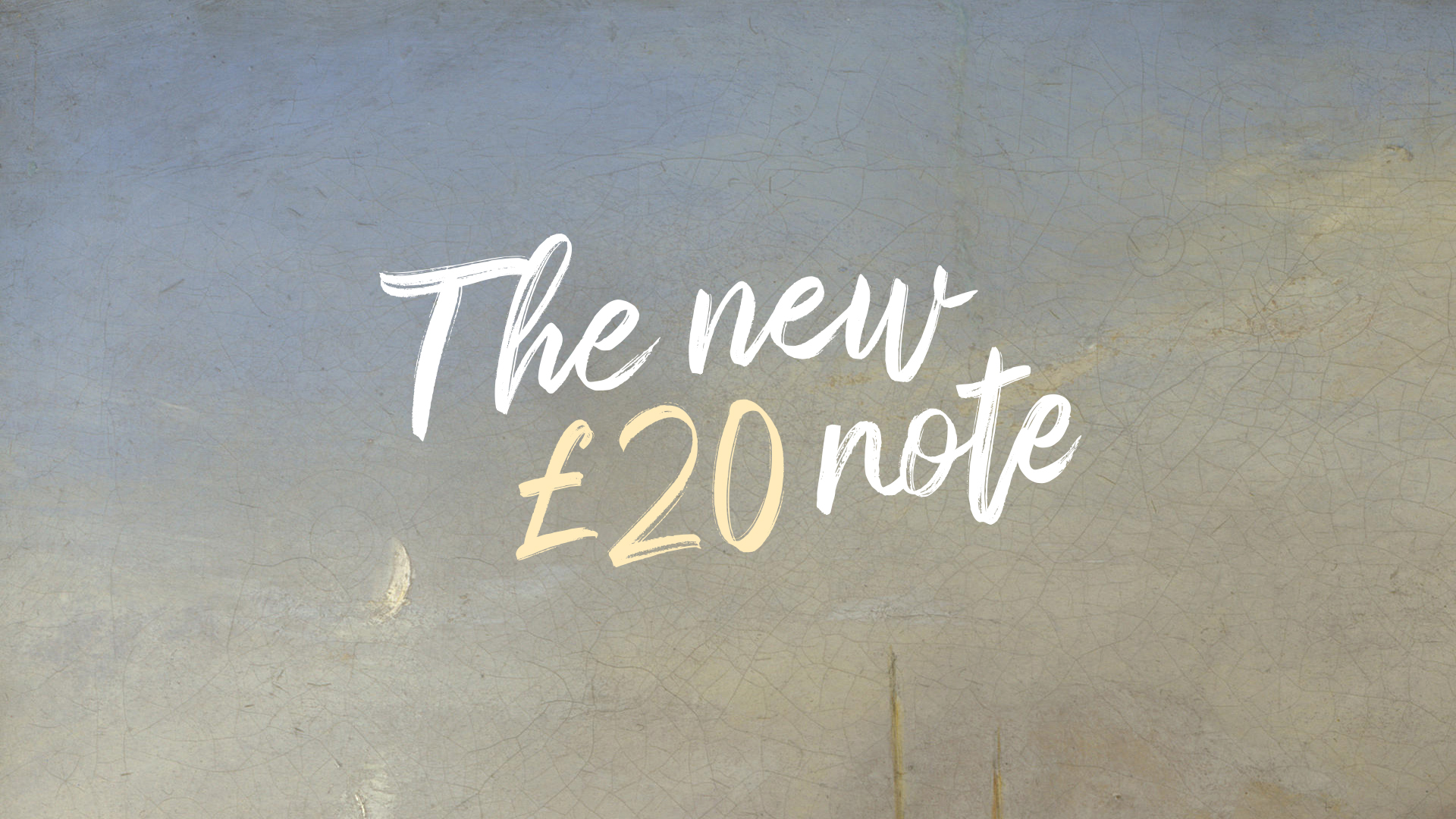
In 2020, the £20 note became the UK’s most secure polymer banknote in wide circulation. Then-Governor Mark Carney and artist Tracey Emin unveiled it at the Turner Contemporary gallery in Margate. The note features a self-portrait by JMW Turner, alongside one of his most famous paintings, ‘The Fighting Temeraire’. Shown here is an overview of the visual identity and launch assets, which drew on paint brush strokes, paper texture and hand-drawn typography.
Credits
In-house creative team: Peter McCabe, Matteo Ruisi
Creative collaborators: BOE Content team, BOE Digital team, BOE Production team, British Dyslexia Association, Lee Funnell, Epic Icons, Monotype, Caroline Preston, RNIB
Accolades
Winner → The Best Brand Awards
Winner → DNA Design Award
Silver → A’Design Award: Visual Communication
Bronze → A’Design Award: Photography
Andrew Bailey
Governor, Bank of England
“The Bank of England has been around for hundreds of years. But we have just embraced the digital technology of the 21st century. This new era has brought many benefits. One is that it brings us closer to the public we serve. We know this means we better explain what we do and why. How we communicate is part of how we carry out our mission. We intend to keep trying to make our communications more inclusive and accessible for everyone.”
